
There’s something truly magical about creating a blanket that looks intricate yet is surprisingly simple to make. Today, I’m so excited to share a pattern for the beautiful crochet tulip blanket! This design instantly catches the eye with its delicate, floral-inspired stitches and lovely texture. It’s one of those projects that brings a fresh, cheerful vibe to any space, whether you’re making a cozy throw for your living room or a heartfelt handmade gift.
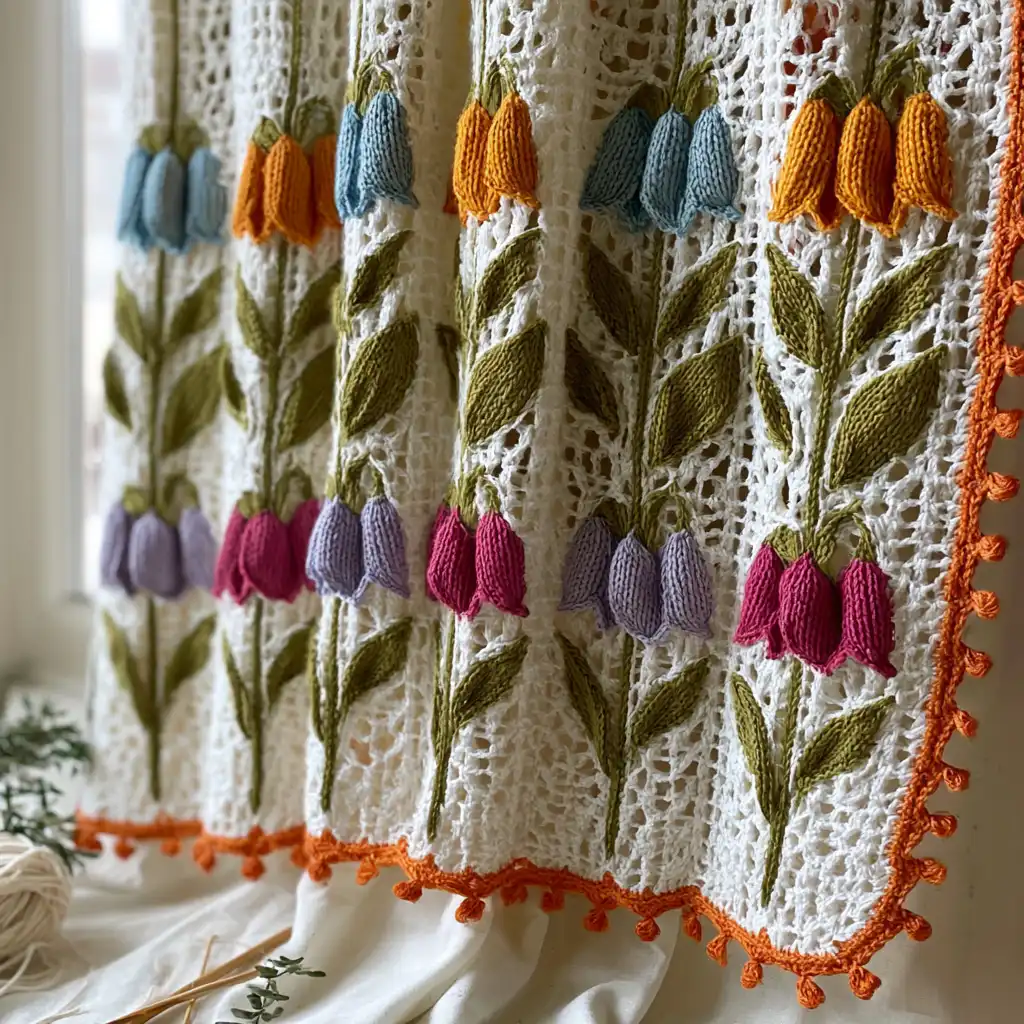
What I love most about the tulip blanket is how it perfectly blends simplicity with elegance. Even if you’re relatively new to crochet, you can achieve a professional-looking result by mastering just a few basic stitches. The repeating tulip motif creates such a rhythmic and relaxing workflow, which I find incredibly satisfying. It’s perfect for those moments when you want to create something beautiful without getting bogged down in complicated techniques.
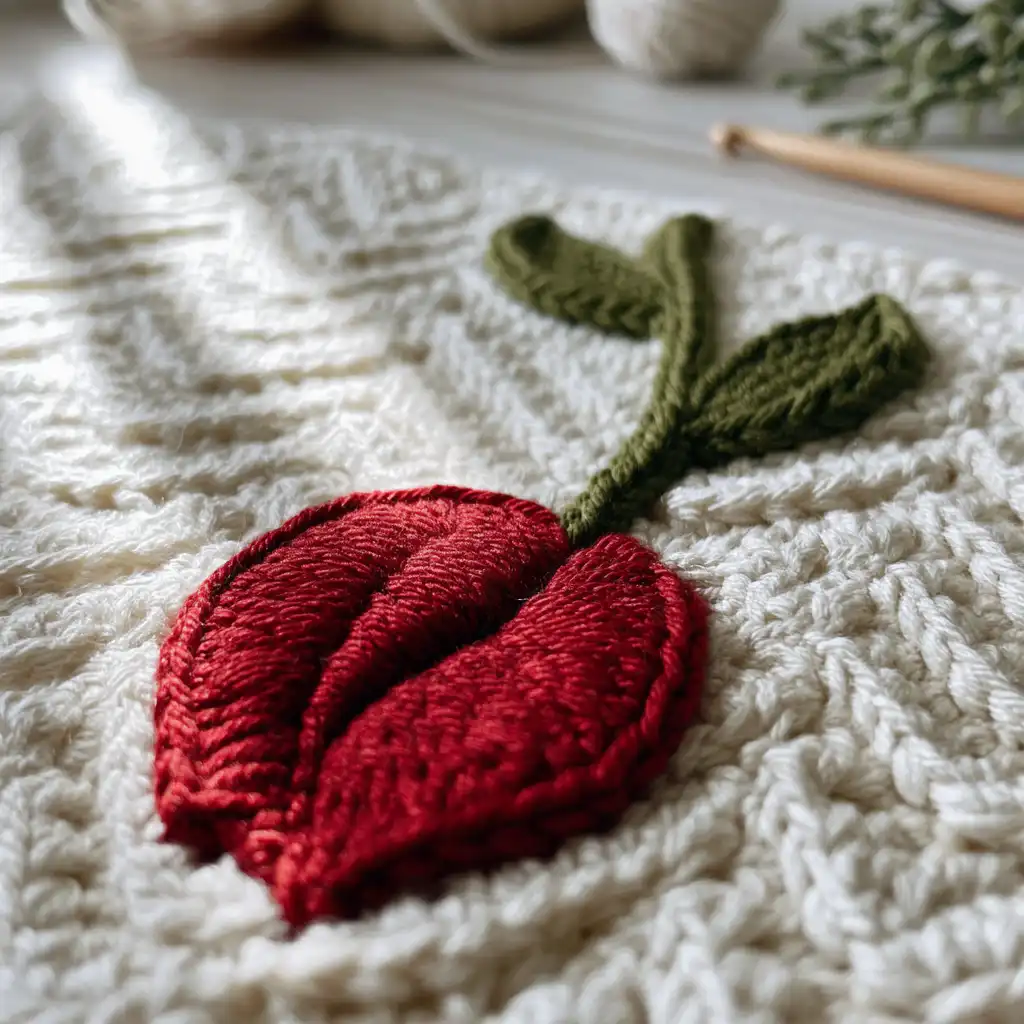
This pattern guides you through making a textured blanket using stitch combinations that create small, repeating shapes resembling tulip flowers. These “tulips” are formed through strategic placement of stitches like double crochet and clusters, resulting in a raised, dimensional look that mimics blooming petals. It’s a wonderful way to add visual interest to your projects beyond simple stripes or granny squares. You can easily adjust the size by adding more stitches or rows, making it perfect for baby blankets, throw blankets, or even a full bedspread!
Crochet Tulip Blanket Pattern
Materials
- Soft acrylic yarn (medium weight #4)
- Ergonomic crochet hook (size H/5mm)
- Locking stitch markers
- Yarn needle for weaving ends
- Sharp scissors
- Measuring tape
Finished Size
This pattern is adaptable to various sizes:
- Baby Blanket: Reduce starting chain and use softer yarn.
- Throw Blanket: Aim for standard throw dimensions.
- Full-Size Blanket: Requires more time and yarn for maximum coverage.
Yarn Information
The pattern suggests using soft acrylic yarn (medium weight #4). Other yarn types can be used:
- Acrylic yarn: Budget-friendly, durable, and easy to care for.
- Cotton yarn: Offers crisp stitch definition and a clean finish.
- Blended yarn: Combines softness and strength.
Hook and Tools
- Crochet hook: H/5mm
- Stitch markers
- Tapestry needle
- Sharp scissors
- Measuring tape
Abbreviations
- ch — chain
- sl st — slip stitch
- dc — double crochet
- st(s) — stitch(es)
Pattern Notes
- The pattern uses stitch combinations to create small, repeating shapes resembling tulip flowers.
- These “tulips” are formed through strategic placement of stitches like double crochet and clusters.
- Consistent tension is crucial for uniform stitches and a flat blanket.
- Count stitches regularly at the end of each row to prevent mistakes and maintain symmetry.
- Stitch markers are helpful for tracking pattern repeats.
- The blanket can be easily adjusted in size by modifying the starting chain and number of rows.
Instructions
To Begin: Chain a multiple that fits your desired blanket width.
Row 1: Work double crochet stitches across the entire row. This creates a solid foundation for the tulip pattern.
Tulip Rows: Introduce cluster stitches to form the tulip shapes. These should be spaced evenly across the row.
Repeat: Continue alternating rows of base stitches (like Row 1) and tulip cluster rows. This repetition creates the floral effect.
Finishing: Once you reach your desired length, finish with a border for a clean edge.
Size Adjustments
- To make a baby blanket: Reduce your starting chain and use softer yarn.
- To make a throw blanket: Aim for standard throw dimensions and maintain consistent tension throughout.
- To make a full-size blanket: Plan your yarn quantities and color scheme in advance, as this requires more time and yarn.
- General adjustment: To change the size, simply adjust your starting chain and the number of rows.
Finishing
Once your blanket has reached your desired length, fasten off your yarn. Weave in all loose ends using a tapestry needle for a neat finish. If desired, add a simple border around the entire blanket for a polished look.
Olivia’s Tips
When you’re working on your crochet tulip blanket, keeping a few things in mind can really make the process smoother and more enjoyable. First, don’t underestimate the power of stitch markers! They are incredibly helpful for tracking your pattern repeats, especially when you’re focusing on those beautiful tulip clusters. Placing them at key points can save you from having to recount constantly.
Another tip is to pay close attention to your tension. Consistent tension is truly key to making sure your blanket lays flat and that each tulip motif looks uniform. If you find your tension is a bit uneven, try taking a short break or adjusting how you hold your yarn and hook. And always, always count your stitches at the end of each row! It’s much easier to catch a mistake early on than to unravel several rows later. Finally, when it comes to caring for your finished blanket, gentle hand washing with cold water and laying it flat to dry will help maintain its shape and beauty for years to come.
FAQ
Is the crochet tulip blanket pattern suitable for beginners?
Yes, it is suitable for beginners who know basic stitches. The pattern becomes repetitive and easy to follow after a few rows, making it accessible and quickly mastered with practice.
What type of yarn is best for a crochet tulip blanket?
Acrylic yarn is a popular choice for its durability and ease of care. Cotton yarn is also great if you prefer crisp stitch definition. The best choice depends on your preference and the specific project.
How long does it take to crochet a tulip blanket?
The time it takes to crochet a tulip blanket depends on its size and your experience level. A small blanket might take a few days, while larger ones, like a full-size bedspread, could take several weeks to complete.
Can I adjust the size of the tulip blanket?
Yes, the pattern is very flexible. You can easily adjust the size of your tulip blanket by modifying your starting chain to achieve the desired width and by adding or subtracting rows to reach your preferred length.
Do I need to follow a pattern, or can I freestyle a tulip blanket?
While experienced crocheters might be able to freestyle, following a pattern is recommended, especially for beginners. A pattern ensures consistency in your stitch count and motif placement, leading to a more polished final result.